

Walking and running are two of the easiest workouts anyone can perform to keep active. You don’t need pricey equipment or a gym membership. All you need is time and a comfy pair of shoes.
Walking versus Running, Which Is Better for Fitness? Many people are wondering. It depends on your goals, fitness level and lifestyle. Some folks like a nice slow walk, others like the challenge of a run.
The good news is that both activities may boost your health, keep you moving and make you feel better every day. Let's have a look at the differences so you can pick the one that meets your fitness goals.
Walking vs Running at a Glance
Walking and running may seem similar because both involve moving your body from one place to another. However, they affect your body in different ways.
| Factor | Walking | Running |
| Speed | Slower pace | Faster pace |
| Impact on Joints | Low impact | Higher impact |
| Calories Burned | Moderate | Higher |
| Suitable for Beginners | Yes | Depends on fitness level |
| Recovery Time | Short | Longer |
| Risk of Injury | Lower | Higher |
| Daily Accessibility | Very easy | Requires more effort |
Walking is gentle and easy to start. Running is more intense and helps improve endurance faster. Both can be excellent choices depending on your needs.
Benefits of Walking for Fitness and Health
One of the easiest methods to keep fit is to walk. It can be part of most people’s everyday routine.
Easy on the Joints
Walking is gentler on your knees, ankles, and hips. It is a fantastic alternative for beginners and elderly individuals.
Supports Weight Management
Walking for a day will help your body use energy and burn calories. This can help you maintain a healthy weight over time.
Good for Heart Health
Regular walking helps increase blood circulation and keep the heart healthy.
Reduces Stress
A quiet walk outside can clear your head and enhance your mood.
Easy to Stay Consistent
People often find walking easier to sustain because it doesn’t feel too hard or tiring.
Benefits of Running for Fitness and Health
Running is a higher-impact workout that challenges your body and increases fitness levels.
Burns More Calories
Running takes more energy than walking does. If your objective is weight loss, running can speed up calorie burning.
Builds Endurance
Trains your heart and lungs to perform more efficiently. This helps build stamina over time.
Saves Time
Running is more strenuous; you can typically get fitness advantages in less time than walking.
Strengthens Bones
Running carefully can assist preserve bone strength from the impact produced while you run.
Improves Athletic Performance
Running builds speed, endurance and overall fitness that may be used in many other sports and physical activities.
Fitness Goals: Which Is Better, Walking Vs Running
The appropriate exercise is dependent on your goals.
If you aim to get more moving, to enhance health and keep active, walking may be enough. If you want to develop endurance and burn more calories in less time, running can be a better alternative.
| Fitness Goal | Walking | Running |
| Beginner Fitness | Excellent | Moderate |
| Weight Loss | Good | Very Good |
| Heart Health | Excellent | Excellent |
| Joint Friendly Exercise | Excellent | Moderate |
| Building Endurance | Good | Excellent |
| Stress Relief | Excellent | Excellent |
| Time Efficiency | Moderate | High |
| Long Term Sustainability | High | Moderate |
| Improving Speed | Poor | Excellent |
| Marathon Training | Poor | Excellent |
| Daily Activity and Movement | Excellent | Good |
| Recovery After Injury* | Excellent | Poor |
| Exercise for Seniors | Excellent | Moderate |
| Building Stamina for Sports | Good | Excellent |
| Low Impact Cardio | Excellent | Poor |
| Calorie Burn Per Minute | Moderate | Excellent |
| Exercise During Busy Schedules | Moderate | Excellent |
| Maintaining General Health | Excellent | Excellent |
| Reducing Risk of Overuse Injuries | Excellent | Moderate |
| Improving Athletic Performance | Moderate | Excellent |
The most important thing is consistency. An exercise you enjoy is one you are more likely to continue.
How Does the Right Clothes Matter for Walking and Running?
Wearing the right gear might make your workout more comfortable.
Your clothing should be appropriate to the activity you are doing, because sweat, heat and constant movement might be distracting. Opt for activewear that is both breathable and flexible so you can move easily.
Walking normally only requires light, comfortable attire. Choose moisture-wicking textiles to help you stay dry during intense running sessions.
Men love breezy joggers for walking, warm-ups and informal outdoor exercises. They are comfortable and do not hinder movement.
For those who work out on a regular basis, investing in quality gym apparel for men can boost comfort throughout your fitness journey.
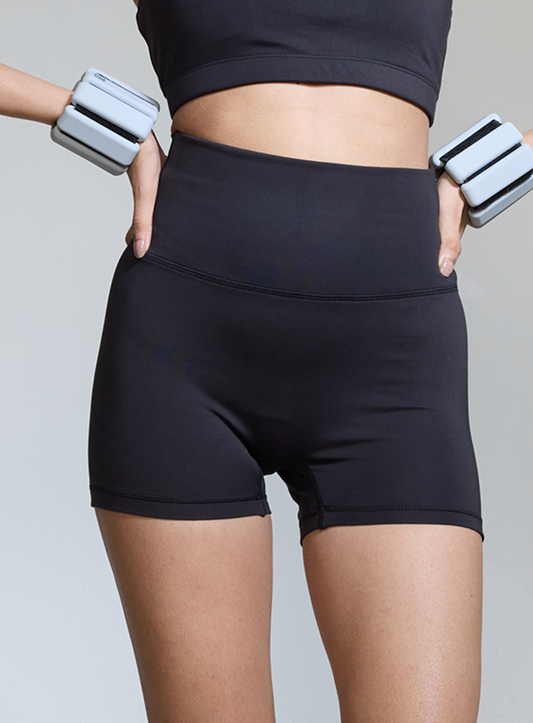
Women runners often find that dedicated running clothes for women are made to move and breathe. A high-impact bra offers support and lowers pain during running sessions, especially for higher-intensity workouts.
Compression t-shirts can be a good fit for men who like to run or do strength training, enabling them to control sweat in the gym and providing a supportive fit.
The appropriate clothes might not make you run faster, but they might make your experience a lot more comfortable.
Shop The Look

|
|

|

|

|

|
Common Mistakes to Avoid When Walking or Running
Doing Too Much Too Soon
At first, a lot of individuals become excited and try to accomplish too much. Begin gently and ramp up your activities gradually.
Ignoring Warm-Up Exercises
Some minutes of stretching and easy movement might get your body ready for activity..
Wearing Uncomfortable Shoes
As you walk or run, the weight of your entire body is carried by your feet. Good shoes are vital for comfort and to help prevent injuries.
Poor Posture
Constantly looking down or slouching can cause unwanted tension on the neck and back.
Skipping Recovery
Your body needs time to bounce back. Rest days are equally as vital as the workout days.
Comparing Yourself to Others
Fitness is personal. Concentrate on your own improvement, not someone else’s speed.
Conclusion
There is no clear winner in the discussion between walking and running. Both activities can bring good health benefits.
Walking is simple, gentle and easy to keep up with. Running is a far more strenuous activity and is a lot faster, and can help you to build your endurance in a short period of time. The choice relies on your fitness goals, physical condition and personal preferences.
If you like walking, keep walking. If you like running, then run. If you like both, mix them. The best workout is the one you enjoy doing and can perform consistently for years.
FAQs
Is walking better than running for weight loss?
Running burns more calories in less time, but walking can still be a part of a weight loss plan when done frequently, in combination with appropriate eating habits.
How much walking is comparable to 30 minutes of running?
The exact amount varies, but many people would have to walk briskly for roughly 60 to 90 minutes to expend the same number of calories that they would burn in a 30-minute run.
Does walking help burn abdominal fat?
Along with a balanced diet and regular activity, it can help reduce overall body fat when you walk. This may involve the reduction of abdominal fat over time.
Is running dangerous for your knees?
Not necessarily. Running with good technique, correct shoes and slow progression is safe for most people.
Can I lose weight by Walking Everyday?
"Yes. Daily walks and healthy foods can help you lose weight slowly and surely.
Is walking or running better for calories?
Running burns more calories every minute since it uses more energy from the body.
Is brisk walking as good as running?
Brisk walking can offer many of the same health benefits as running. Running merely offers those benefits in less time.